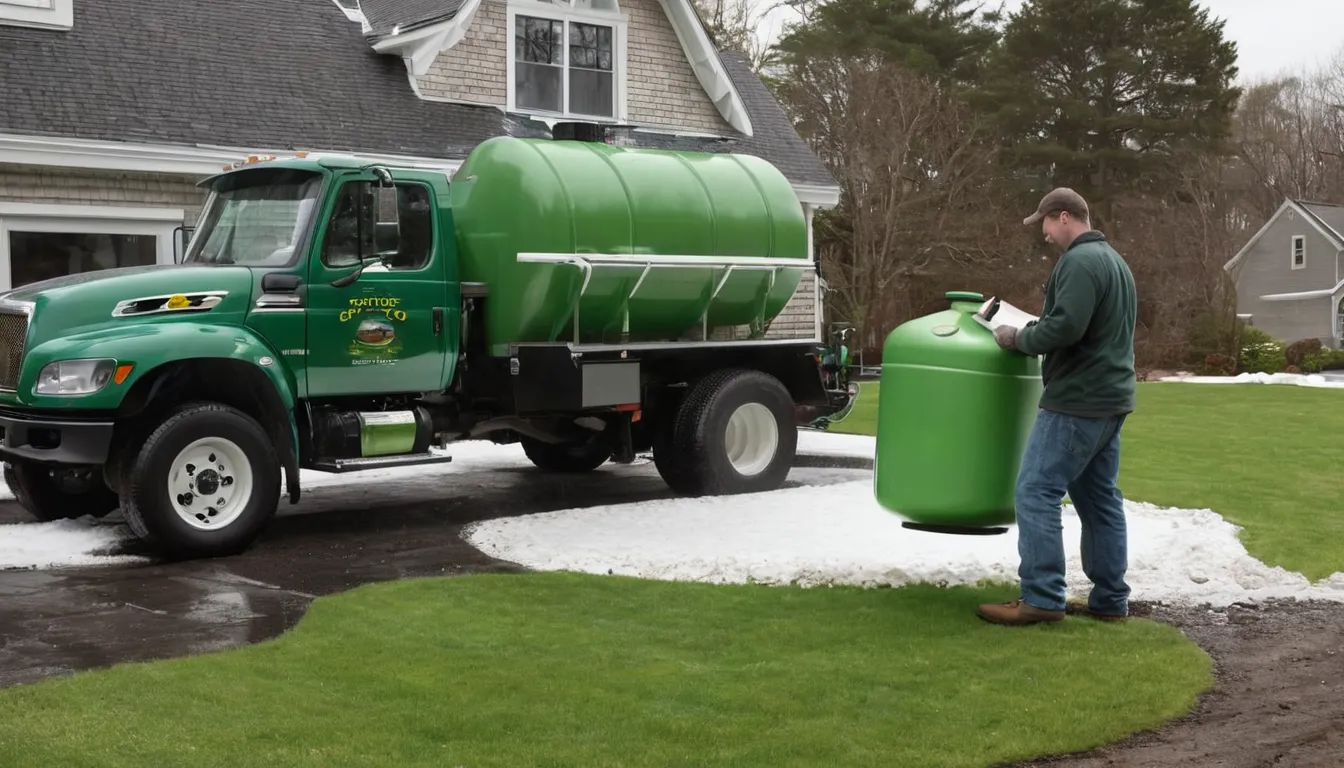
A full or overdue septic tank can feel scary. Slow drains, gurgling pipes, or a wet spot in the yard are all signs worth taking seriously. The good news is that septic tank pumping is a routine job for local providers, and you can get ready for it in a few simple steps.
Jeanentering Septic is a referral service. We do not pump tanks. We connect homeowners in Shelton and the Shelton area with independent providers in our network who do. Before you reach out, take a few photos and write short notes. Notes make estimates easier, and they help a provider understand what is going on before they arrive.
Tank Full or Overdue? Start Here
First, take a breath. A full tank is a common problem, and it can be fixed. Many providers can respond quickly when a tank is backing up.
One step first: stop adding water to the system. Hold off on laundry, long showers, and the dishwasher until a provider has looked at it.
Signs Your Tank Needs Pumping
Look for these signs:
- Drains that run slow in more than one room
- Gurgling sounds from pipes or toilets
- Sewage smells indoors or near the tank lid
- Soggy, bright green grass over the tank or drainfield
- Water or waste backing up into a tub or floor drain
If you see waste inside the home, treat it as urgent. Keep kids and pets away from it.
Breathe, Then Document
Before you call, spend five minutes on records. They make the visit smoother.
- Photograph any wet spots, smells' sources, and slow or backed-up fixtures
- Write down when you first noticed the problem
- Note the last time the tank was pumped, if you know
- Find any old receipts, maps, or inspection papers
These same records can help if you later talk with your insurer. Some policies may cover sudden damage, so check your policy. Providers can often help document damage for a claim.
Emergency Septic Cleaning vs. Routine Pumping
Routine pumping is planned. You book it, the tank gets emptied, and life goes on.
Emergency septic cleaning is different. It is for backups, overflowing lids, or a tank that is far past due. Tell the provider which one you have. It helps them bring the right equipment and plan their day.
Why Regular Pumping Matters
Solids build up in the bottom of every tank. If they are never removed, they can slip out to the drainfield and clog it. Drainfield repair is often far more costly than pumping.
Regular pumping protects the rest of your system. It is the simplest way to avoid a bigger bill later.
How Often Should You Pump?
Many households pump every three to five years. It depends on a few things:
- Tank size
- Number of people in the home
- How much water you use
- Whether you use a garbage disposal
A larger household with a small tank may need pumping more often. A provider can suggest a schedule that fits your home.
What Happens During a Pumping Visit
The provider finds and opens the tank lid. A hose pulls out the liquid and solids. Many providers then check the inlet and outlet baffles and look for signs of damage.
Older homes in cold regions may have tanks buried under snow or frozen ground. Tell the provider if you are not sure where the lid is. Winter and spring snowmelt can change how easy the job is.
Pumping and Inspections
A pumping visit is a good time to ask about an inspection. With the tank empty, a provider can see cracks, worn parts, or signs of backflow from the drainfield.
Ask for notes or a short written summary. Keep it with your records.
Buying or Selling a Home With a Septic System
Lenders and buyers often ask for proof that a tank was pumped and checked. If you are selling, an up-to-date record can ease the process. If you are buying, an inspection can show what shape the system is in.
This is also true for homes with a private well. Ask a provider about water well service if you want the well and septic checked together.
Caring for Your System Between Pumpings
Small habits protect your tank:
- Spread laundry across the week
- Fix leaking toilets and faucets
- Keep grease, wipes, and food scraps out of drains
- Do not drive or park over the tank or drainfield
- Keep a simple log of each pumping
In freeze-thaw weather, keep snow cover over the tank area. A layer of snow can act like a blanket and help prevent frost.
Questions to Ask the Provider
It is fine to ask plain questions. Here are a few:
- What is included in the price?
- How big is my tank, and how much will be removed?
- Will you check the baffles and filters?
- Can I get a written quote?
- Do you give a written record of the visit?
Take the Next Small Step
You do not need to solve everything today. Gather your photos and notes, then Request a callback to check provider availability, or use the request form. Notes make estimates easier, and a clear plan feels better than a guess.
What's Included
Tank Pumping
A provider empties the tank of liquid and solids so the system has room to work again.
Baffle and Lid Check
Many providers look at the lid, baffles, and tank walls while the tank is open.
Written Visit Notes
Ask for a short record of what was done, tank size, and anything the provider noticed.
Pumping Advice
Providers can suggest how often to pump based on your tank size and household use.
Typical Septic Pumping Costs
Prices vary by tank size, access, and region. These are typical U.S. ranges, not quotes. Ask each provider for a written quote that lists exactly what is included before work begins.
| Item | Typical range | Notes |
|---|---|---|
| Routine pumping (1,000 gal) | $300 – $600 | Common size for smaller homes |
| Larger tank (1,500+ gal) | $450 – $900 | More volume costs more |
| Emergency septic cleaning | $500 – $1,200 | Backups or urgent visits may cost more |
| Digging to find the lid | $75 – $250 | Needed if the tank is buried deep |
| Riser and lid install | $300 – $800 | Makes future pumping easier |
| Basic tank inspection | $100 – $400 | Often done with pumping |
How It Works
Pause the Water
Cut back on laundry, showers, and dishwasher use. Less water going down gives a full tank some breathing room.
Take Photos and Notes
Record wet spots, odors, and slow drains. Add the date you noticed them.
Reach Out to Providers
Request a callback to check provider availability, or request an estimate through the form.
Compare and Choose
Ask for a written quote, review what is included, and pick the provider that fits.
Why Call Jeanentering Septic
Calm Guidance
We share simple steps for the first hour, so you know what to do before anyone arrives.
Independent Providers
Providers in our network are local and independent. They do the work and explain the options.
Paperwork Ready
Photos and notes help providers quote more clearly and help if you talk with your insurer.
No Obligation
Request an estimate and compare. You choose whether to go ahead.
Other Services
Need septic tank pumping in Shelton?
Tell us what is happening, and Jeanentering Septic will point you to an independent provider in our network. Request an estimate with no obligation, or Request a callback to check provider availability.
No obligationSeptic Tank Pumping FAQ
- How do I know if my septic tank is full?
- Common signs are slow drains, gurgling pipes, sewage smells, and soggy grass over the tank area. Backups inside the home are urgent. Stop using water and contact a provider.
- How often should a septic tank be pumped?
- Many homes pump every three to five years. Tank size, household size, and water use all matter. A local provider can look at your system and suggest a schedule that fits.
- Can I pump my septic tank in winter?
- Often yes. Snow or frozen ground can make the lid harder to reach, so tell the provider early. Marking the lid location ahead of time can make the visit go faster.
We service you here
Shelton Trumbull Center Orange Bethlehem Village Oakville Meriden Naugatuck New Haven Derby Norwalk Bridgeport
Tell us what happened
Tell us what is happening, and Jeanentering Septic will point you to an independent provider in our network. Request an estimate with no obligation, or Request a callback to check provider availability.
No obligation